
Designing a More Sustainable Home
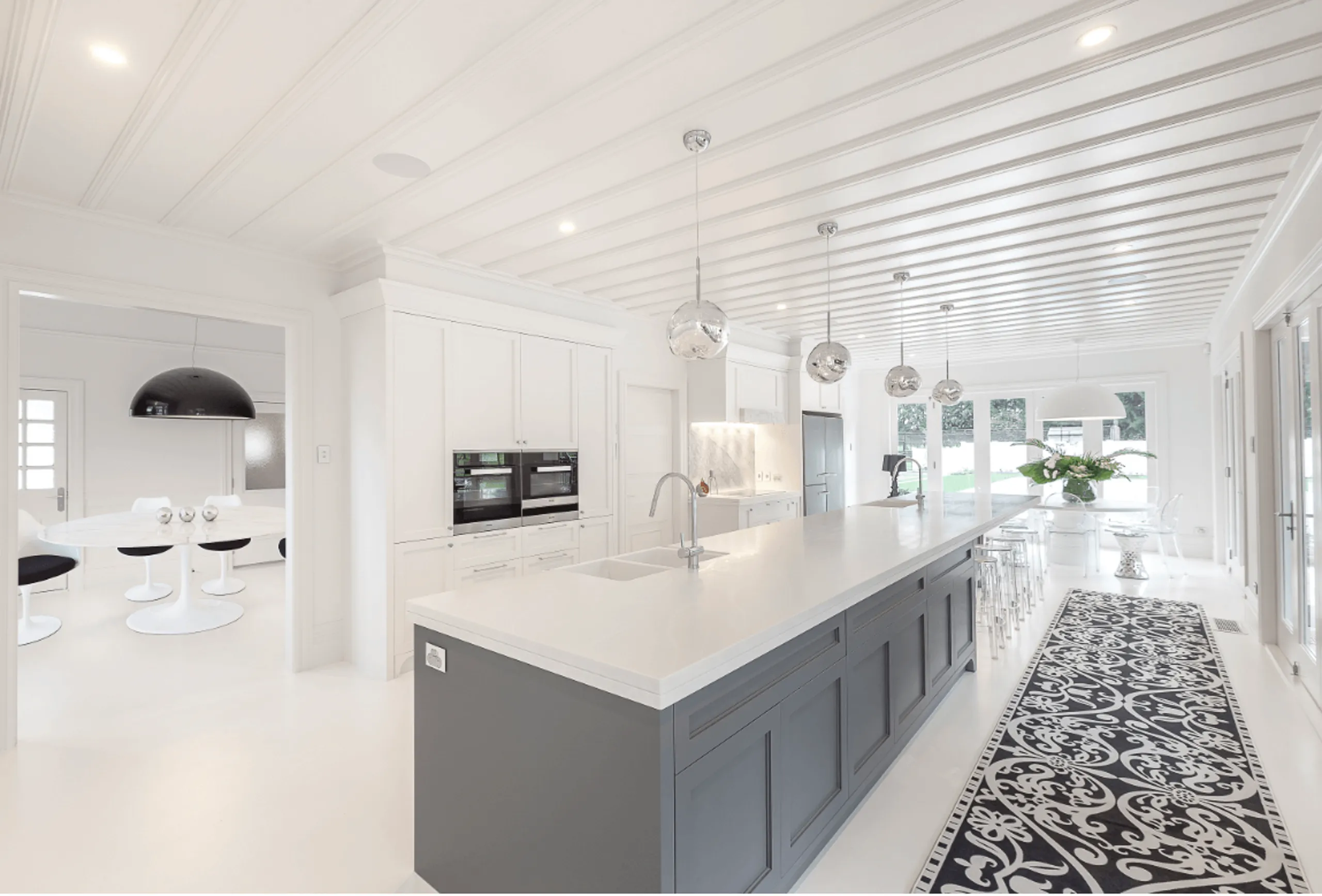
Sustainable home design is becoming a priority for more homeowners as awareness grows about the environmental impact of everyday choices. Award-winning New Zealand designer Mal Corboy emphasizes that design is deeply personal and should balance beauty, function and responsibility to the planet. With demand rising for eco-friendly homes, designers now play a key role in guiding clients toward choices that reduce energy use, limit waste and support healthier living environments. From appliances to energy consumption, thoughtful design decisions can make sustainability more accessible without sacrificing comfort or luxury.
Corboy highlights the growing use of alternative materials such as bamboo, Ferrock and sustainably sourced veneers, which reduce resource use while maintaining durability and performance. He also stresses the importance of long-lasting products, low-toxicity finishes and materials that support health, especially for people with allergies or respiratory issues. Kitchens, as one of the most heavily used and waste-producing spaces in the home, are a natural starting point for sustainable design. By focusing on durability, adaptability and reuse, such as repurposing old kitchens or integrating built-in appliances, homeowners can significantly extend product lifecycles and reduce their overall environmental footprint.


