
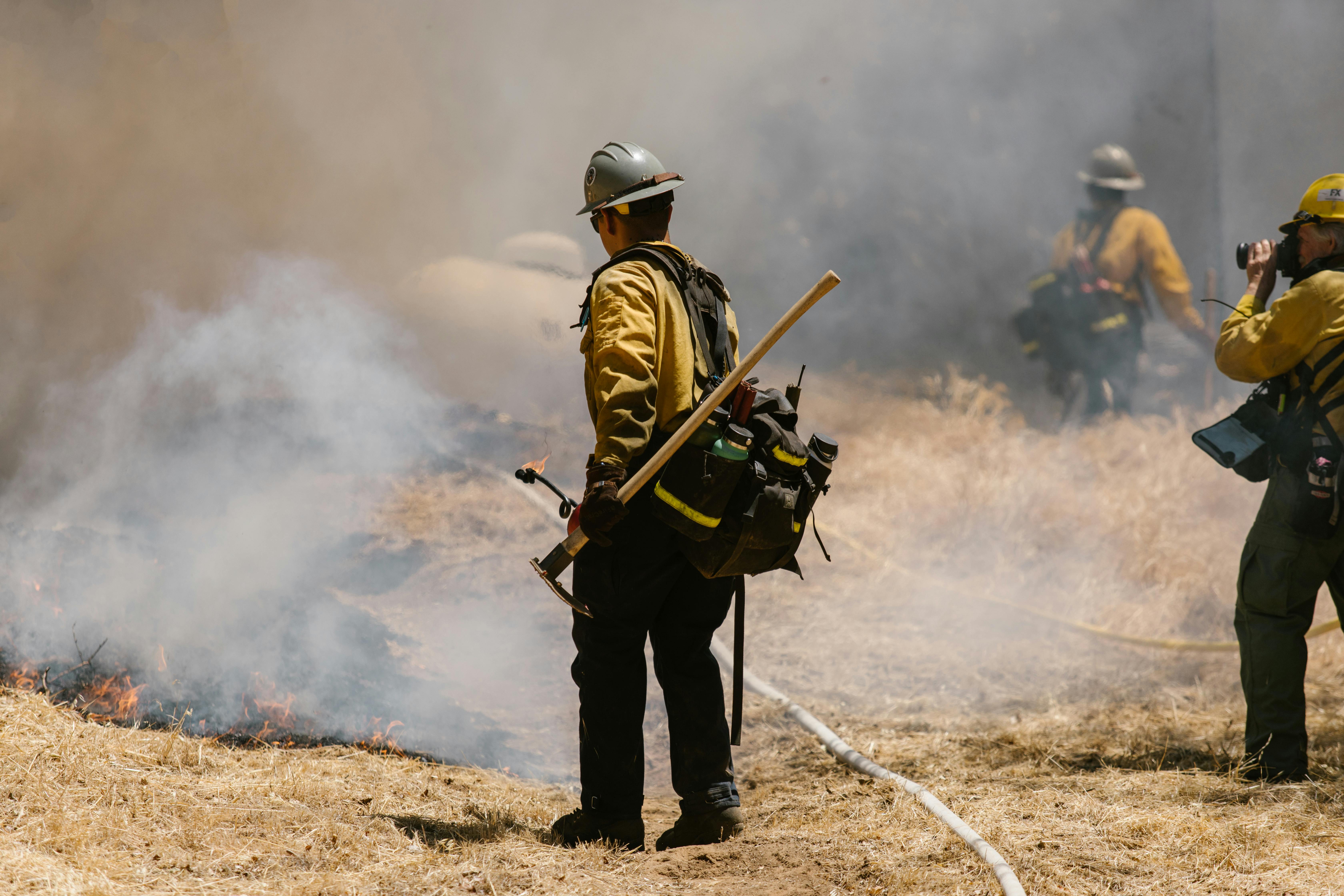
UCLA studies IAQ after wildfires
About one year after the LA wildfires, researchers at UCLA found that Indoor Air Quality (IAQ) still affects homes either untouched or recovering from damage. Led by the UCLA Fielding School of Public Health, the study began on the second day of the LA fires and continued to Feb. 18, 2025. These researchers studied the presence of volatile organic compounds (VOCs), such as benzene, toluene, ethylbenzene and xylenes.
The study found VOCs significantly higher in the post-fire period than initial burn days. They also found an increase in uninhabited homes within burn zones, suggesting ongoing indoor emissions from smoke-impacted materials.
“These findings underscore the need for targeted interventions to minimize indoor exposures during the recovery phase,” said study co-author Dr. Michael Jerrett, professor in UCLA Fielding’s Department of Environmental Health Sciences and the Jonathan Fielding Chair in Climate Change and Public Health. “These findings raise concerns about indoor air quality post-wildfire, and the potential for prolonged exposure leading to significant health impacts.”
This research emphasises the importance in California for building with wildfire risk in mind. “In these cases, the indoor concentrations during active fires remained comparable to outdoor levels, indicating that staying indoors did not fully prevent exposure to fire-related pollutants,” said Dr. Yuan Yao, a UCLA Fielding researcher and author of the study.
With IAQ already a priority for sustianability-focused builders, high-performance building envelopes also dramatically reduce smoke infiltration. With continuous air barriers, sealed penetrations and high-quality windows which limit PM2.5 entry, building sustainably is not the solution to safer buildings in wildfire prone areas, but a prevention tool. The increased implementation of fire-resistant materials, high-performance envelopes and sustainable landscaping reduces the risk of dangerous IAQ in a wildfire prone climate.


