
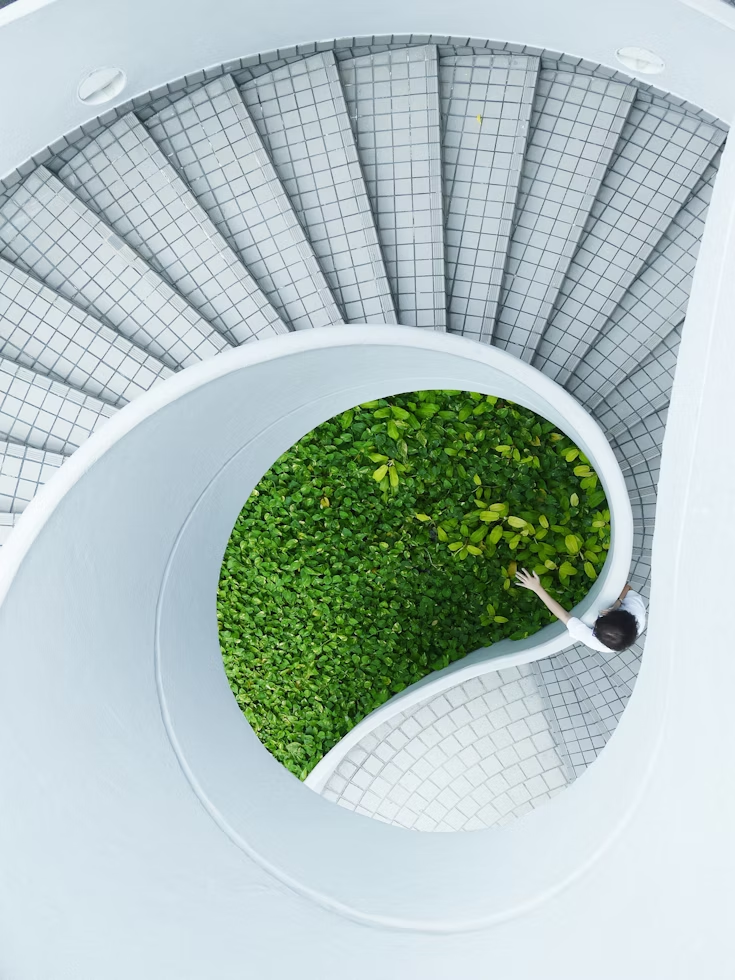
Climate Change is Driving Design Decisions
In 2025, sustainable design will become a defining feature of modern housing, blending environmental responsibility with high-end living rather than treating it as a trade-off. Climate change is reshaping how homes are designed, built and furnished, pushing sustainability into the mainstream as a symbol of quality and sophistication. From energy-efficient architecture to thoughtful interiors, homeowners now prioritize long-term performance, resilience and reduced environmental impact while still expecting comfort, innovation and visual appeal. Green design is no longer a niche choice; it has become a core marker of modern luxury.
This shift is visible across architecture, interiors and even art, with trends like PassiveHaus principles, circular design, energy-positive homes and climate-resilient construction leading the way. Inside, eco-conscious choices such as vintage furnishings, biophilic elements, modular layouts and locally made décor reduce waste while enhancing character. Sustainable design also makes financial sense, offering energy savings, higher resale value and access to incentives. Ultimately, today’s most desirable homes are those built to adapt, endure and reflect a deeper commitment to both environmental stewardship and future-ready living.


