
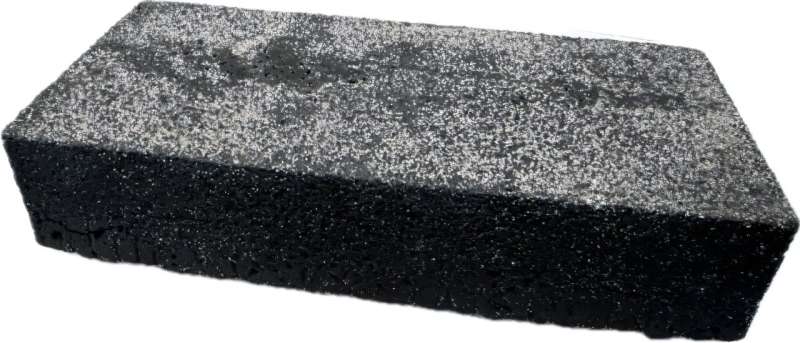
New construction material absorbs CO2 and sets quickly
Worcester Polytechnic Institute researchers have developed a carbon-negative building material called enzymatic structural material (ESM), which could significantly change sustainable construction. The material is produced through a low-energy process in which enzymes convert carbon dioxide into solid mineral particles that can be molded into strong, durable structures within hours, unlike traditional concrete, which requires high heat and long curing times. The breakthrough offers a rapid, scalable alternative to concrete while actively capturing carbon during its production.
ESM’s fast curing, adjustable strength and recyclability make it ideal for uses such as wall panels, roof decks and modular building components. Because it can be repaired and reused, it has the potential to reduce landfill waste and lower long-term construction costs. With applications in affordable housing, climate-resilient infrastructure and disaster recovery, ESM supports global goals for carbon-neutral development and circular manufacturing, showing how even partial adoption could have a substantial environmental impact.


