
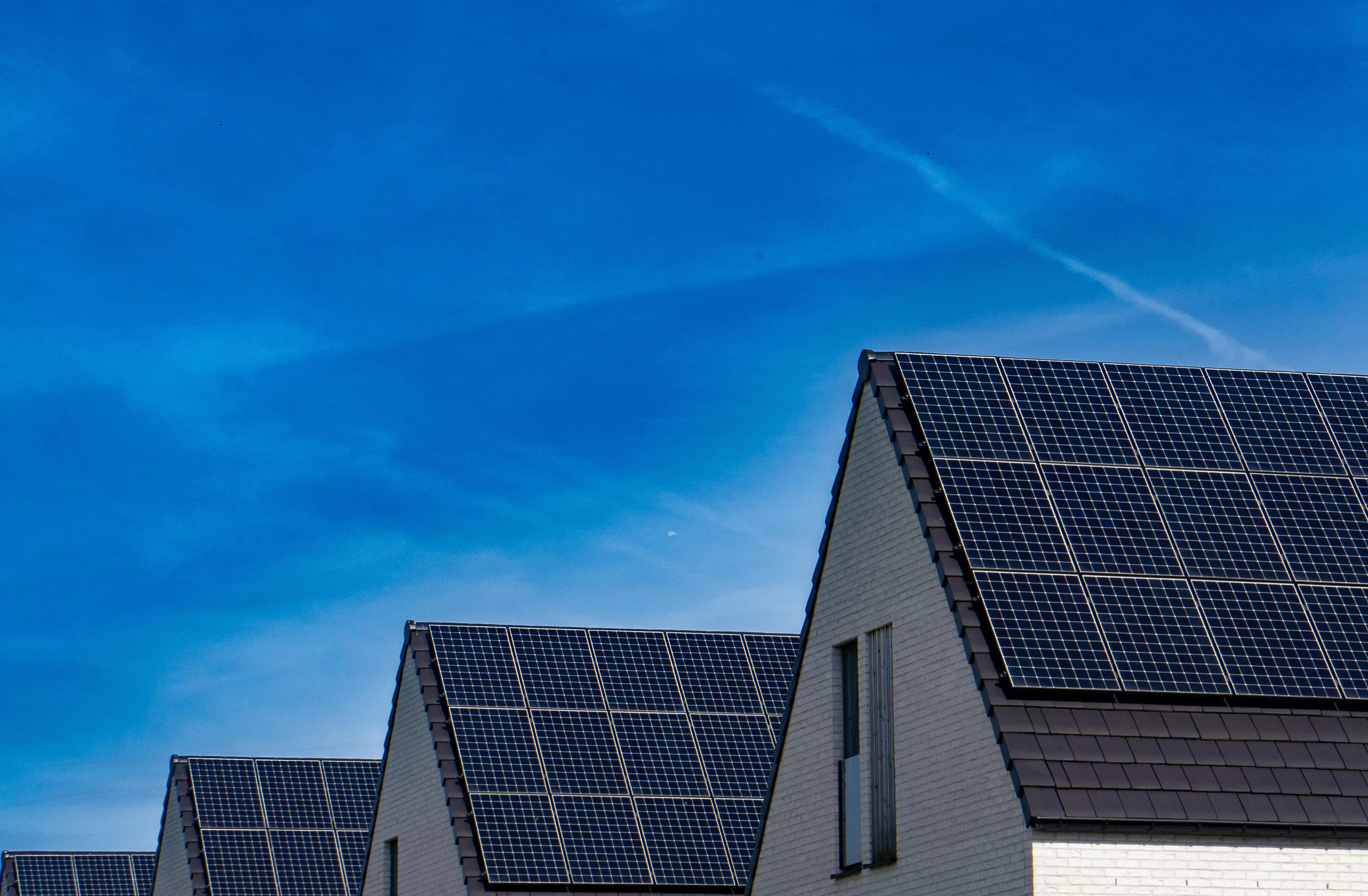
Zone Barriers in Solar Installation
Communities are eager to begin installing solar panels on homes and businesses, offering energy resilience and easing financial burdens. However, zoning ordinances may act as an unintentional barrier to types of solar installation projects. Such barriers include height restrictions, glare studies, lot coverage and impenetrable surface calculations, as well as aesthetic requirements or discretionary reviews.
Height restrictions may prohibit the installation of photovoltaic (PV) systems if a building is already at the maximum height. A district might have a limit on lot percentages that may be covered by impervious surfaces, and accessory ground-mount solar can sometimes be erroneously included in this calculation. A common aesthetic concern is that PV will cause blinding glare to onlookers, neighbors or pilots flying overhead. It is also not recommended to require PV systems to blend into the architecture or color of the primary structure, as panels come in standard colors and cannot be altered or painted. Camouflaging systems can also introduce safety concerns if emergency personnel are unable to quickly identify the location of the panels.
While these barriers pose an obstacle for solar panel installations, there are ways to overcome them.


