
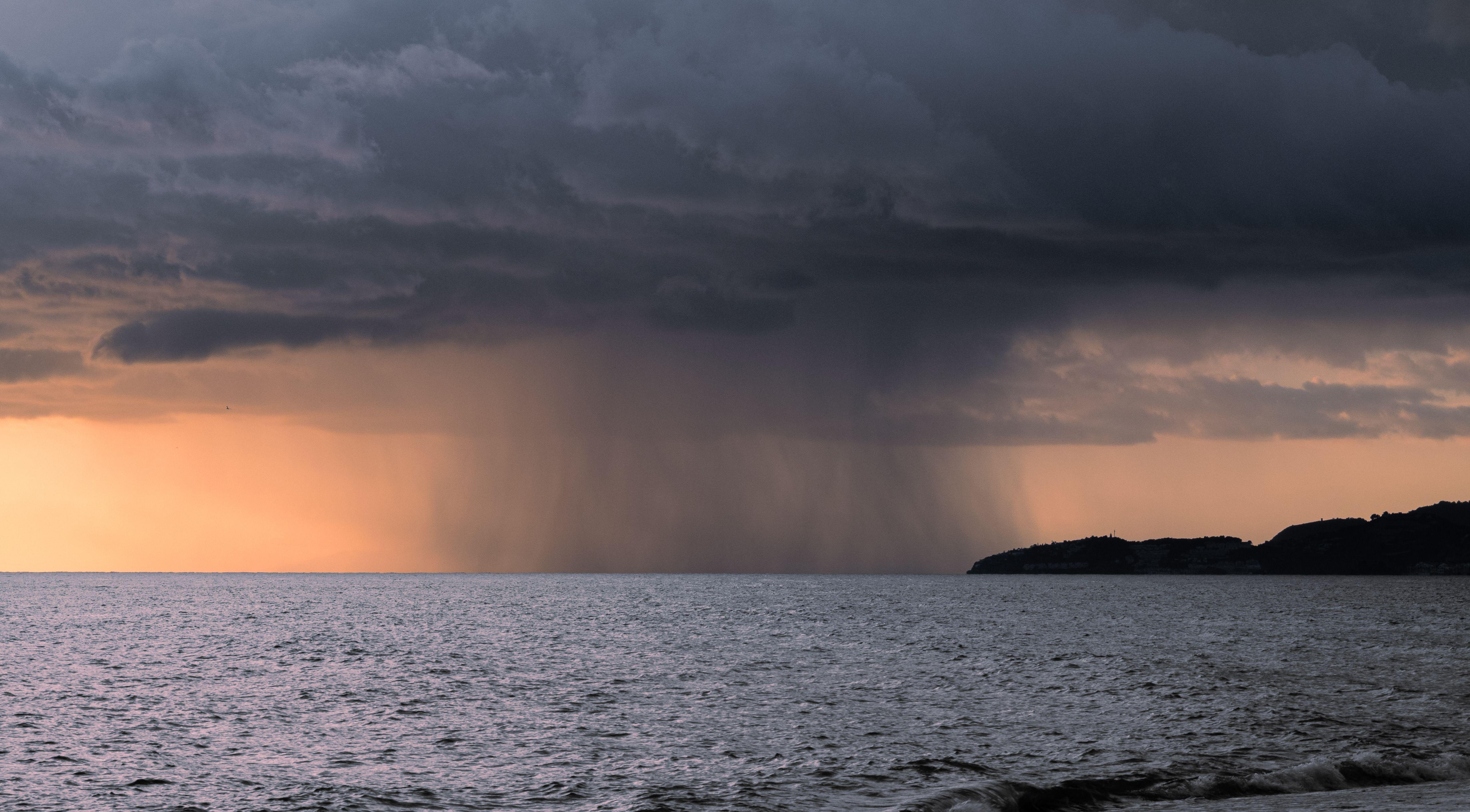
Building codes tighten in response to severe storms
Building codes are tightening in U.S. regions vulnerable to severe storms as coastal wind design standards continue to evolve and roofing systems face greater performance requirements. Flood-resilient construction is also becoming more common, as communities invest more in code enforcement. The Environmental Defense Fund reports that climate change is creating higher storm surges and record rainfalls during hurricane season, which is resulting in more home destruction.
Communities along hurricane-prone coastlines have steadily strengthened wind design requirements as storms become more costly and destructive. Modern codes often require engineers to account for higher wind speeds, different building exposure categories and stronger connections between roofs, walls and foundations. Instead of treating each structural component independently, today’s standards emphasize creating a continuous load path so wind forces are transferred safely from the roof all the way into the ground. This systems-based approach helps reduce the likelihood of partial failures that can quickly escalate into catastrophic structural damage.
In areas that are susceptible to storm surge and inland flooding, building codes are promoting construction practices that help structures recover more quickly after major weather events. New buildings in designated flood hazard zones may need elevated foundations, flood-resistant materials below certain heights and mechanical equipment installed above anticipated flood levels.


