
How to reduce hidden hazards through smarter interiors
A beautiful, healthy home goes beyond looks. Designers, homebuilders, and renovators must consider long-term maintenance, ventilation, material choices, storage and layout to create a healthy home and reduce hidden hazards.
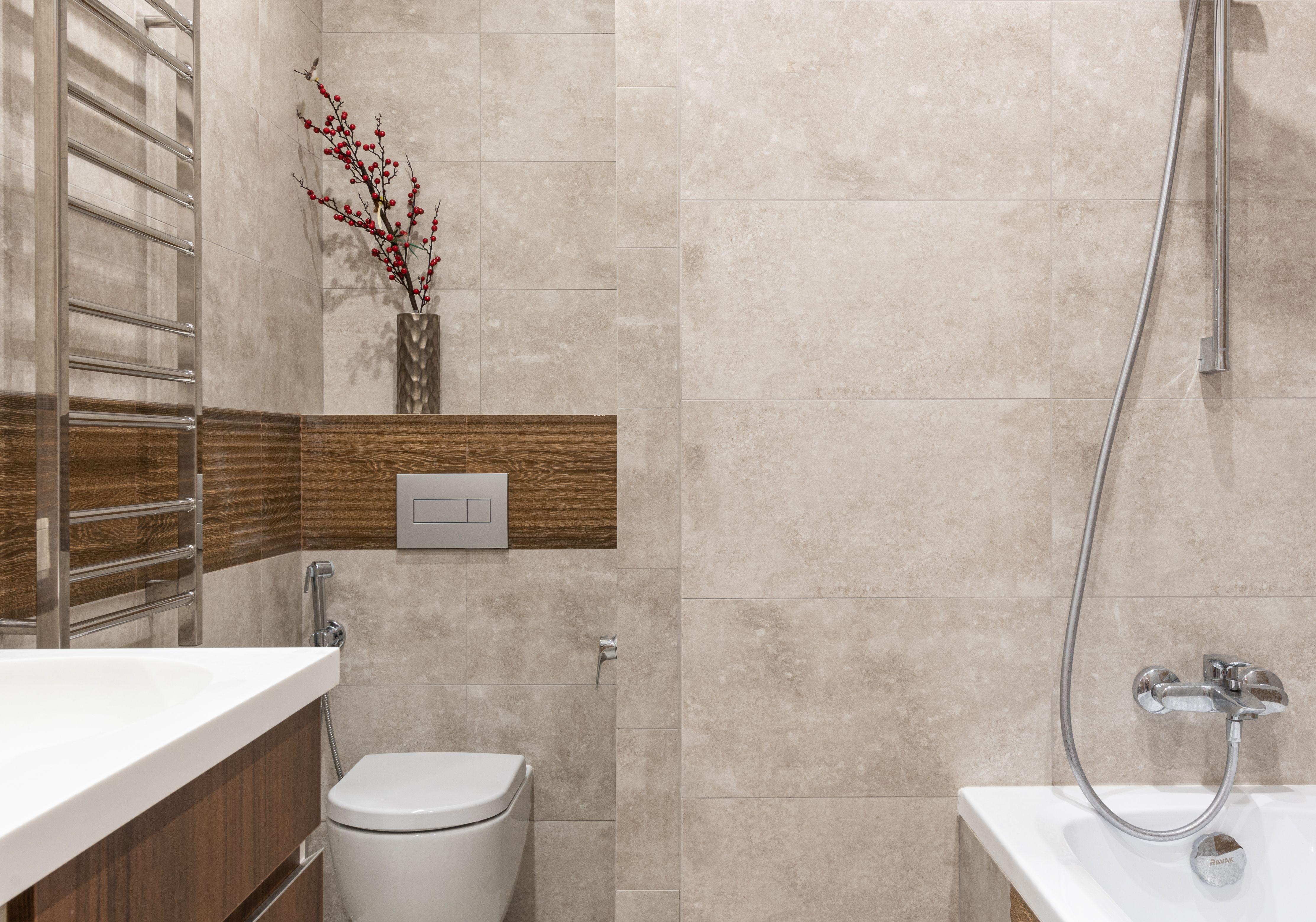
Designing to withstand moisture starts with the surface. For example, in bathrooms, fewer decorative grooves and more wipeable planes strengthen the space against mold. Consider large-format porcelain tile, sealed grout, solid-surface counters and properly detailed shower niches instead of surfaces that could allow for mold or damp dust to build up in cracks.
As for ventilation, healthy home design should treat it as a design choice, not something to fix later. While healthier paints, tile, furniture and lighting are all smart choices, designers and builders must also consider how air touches a room. In a kitchen, a sculptural range hood can be beautiful, but it has to capture steam, grease and combustion byproducts if gas is used. If the home has an open-plan, the hood also shapes how the living area feels after cooking.
Builders and designers know that reducing hidden hazards begins with creating smarter home interiors.


